South Carolina · Tarpon
Tarpon size limit in South Carolina
You can keep one today — within these limits
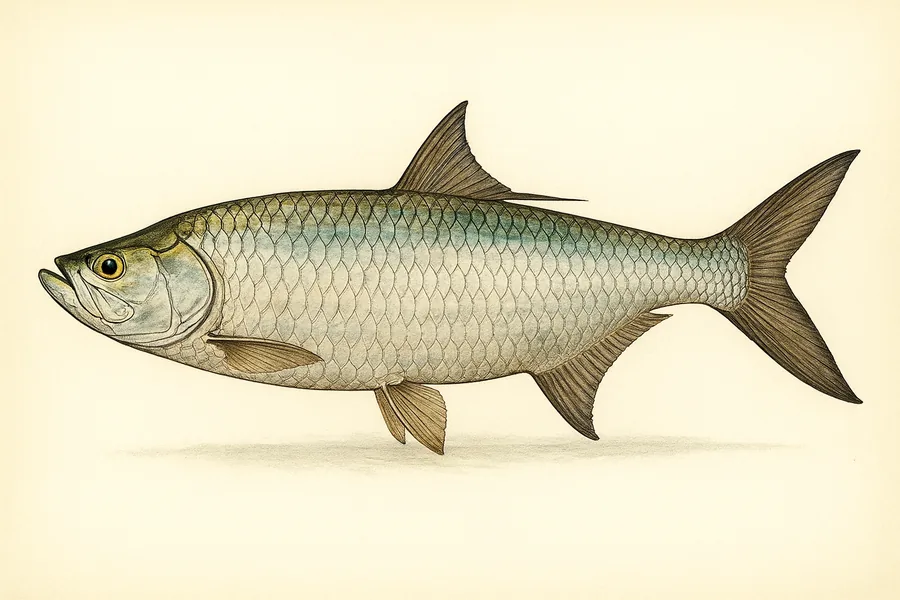
Statewide
Open year-round| Size limit | 77 inches and up | fork length |
|---|---|---|
| Daily bag | 1 | per person per day |
A 77-inch fork-length minimum — by far the largest minimum size on this site — 1 a day, open all year, rod and reel only. North Carolina, by contrast, prohibits tarpon possession outright.
What we left out on purpose
- Blue catfish at Santee Cooper is the one figure where two sources disagreed. A summarised regulations source gave "2 blue catfish larger than 32 inches" with a 25-fish possession limit; SCDNR’s own pages for Lake Marion and Lake Moultrie both state "no more than one blue catfish over 36 inches ... per person per day". SCDNR’s own wording is what stands here.
- Lake Murray striped bass carries a size limit that changes by date: 21 inches from October 1 through May 31, no minimum from June 1 to September 30. The registry holds one figure per region, so the stricter 21 inches is published and the seasonal relaxation is named in the note. Nobody following it can be wrong; some anglers will leave a legal summer fish in the water.
- The cobia closure applies to state waters of the southern zone. The exact dividing line was not read, so the May closure is published for the whole coast — the safe direction, but it may be stricter than the law where you are.
- SCDNR publishes its size and catch tables through eRegulations and links there from its own regulations page. The saltwater figures come from that designated publication; the freshwater and lake-specific figures come from dnr.sc.gov itself.
- South Carolina sets many further lake-by-lake exceptions — Hartwell, Russell, Thurmond, Keowee, Jocassee, Wateree, Wylie and others. Only Lake Murray and the Santee Cooper lakes are carried here, because those are the two South Carolina waters this site reports on.
- The statewide black bass limit of five counts smallmouth, largemouth and redeye together. The registry records it per species, so a page showing five for largemouth is showing the shared limit, not a largemouth-only allowance.
- Atlantic croaker, spot and whiting share one aggregate limit of 50 fish per person. An aggregate across three species does not fit one row per species and is left out rather than repeated three times as if each had its own 50.
- American shad and herring are both on SCDNR's table but each points to a separate 'Shad & Herring Regulations' page for size limits and gear rules, which was not read. Only what the finfish table itself states (the bag limits) would be usable, and even that is thin without the referenced page, so neither is carried here.
- Red drum may not be harvested from federal waters at all — SCDNR's table states this directly. Not a separate region here since it changes nothing about the state-waters slot published, but worth knowing before running offshore.
Other species limits in South Carolina
- Red drum (spottail bass)
- Spotted seatrout
- Black drum
- Flounder
- Sheepshead
- Striped bass
- Largemouth bass
- Blue catfish
- Crappie (black and white)
- Tripletail
- Weakfish
- Bluefish
- Cobia
- King mackerel
- Spanish mackerel
- Dolphin (mahi-mahi)
- American eel
- Wahoo
- Saltwater catfishes (hardhead and gafftopsail)
- Florida pompano
- Hybrid bass, white bass, and combinations
Where to try today
- Lake Murray 5/10 · Picky
- Santee Cooper 6/10 · Biting